November 25, 2026 · Thea Lantos
The Industry of Trees
Many of us enjoy trees. Few of us go on to study them. And many more work in the industry that cares for the trees in our cities and neighborhoods. Here is who does what in the urban tree world, and who to call when.
In the latest issue of The Arboricultural Consultant, the journal of the American Society of Consulting Arborists, ASCA president Kay Sicheneder closed her message by imagining a time when people understand what consulting arborists do, including
“how our role differs from that of a landscape professional, planner, sales arborist…”
She adds municipal foresters to that list, and hopes people will know where to find a consulting arborist when they need one. I hear a version of that question almost every week. Someone has a tree they love, a tree they are worried about, or a project with trees in the way, and they are not sure who to call.
The people in this industry vary a lot. Some climb, some design, some write permits, some study tree diseases in a lab. But many of us share the same thing: a real love of trees and a genuine curiosity about them. We enjoy learning the ins and outs of each species and figuring out how to care for trees well where they are hardest to grow, in our yards, streets and cities.
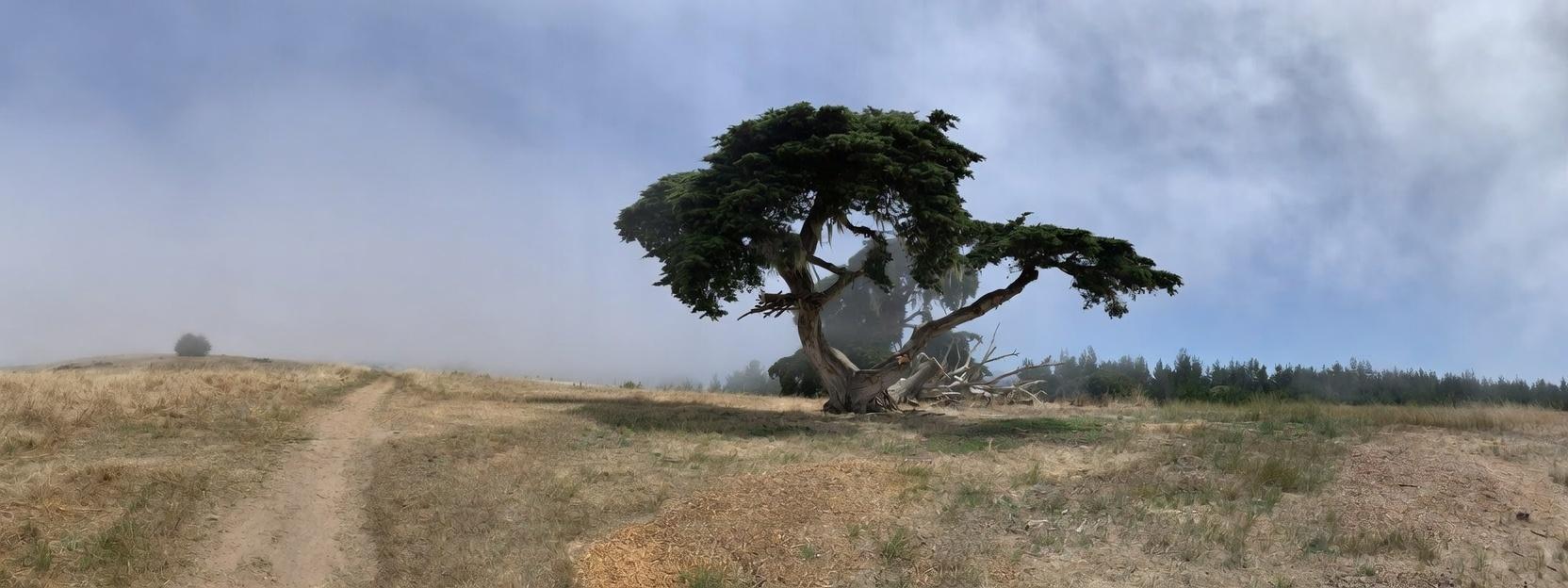
Trees start out in wild places. There, some are left untouched to flourish and to ebb and flow with the forces of nature and the cycles of life. Others are managed for conservation or for timber, which is the role of a forester. When we bring trees into our neighborhoods, they need people who understand both the tree and the setting it now lives in. That is the work of the urban tree industry.
The people who do the work
Tree care companies and tree crews
These are the climbers, crew leaders and equipment operators who prune, remove and plant trees. In California, a tree service business should hold a license from the Contractors State License Board, carry insurance, and ideally have ISA Certified Arborists on staff.
Call them when you already know a tree needs pruning, removal or planting.
Sales arborists
Many tree care companies send an arborist to look at your trees and write a proposal. These sales arborists, sometimes called estimators, are often well trained and certified. Their recommendations are tied to work their company will perform, which is worth knowing.
Call them when you want a bid for tree work.
Landscape contractors and gardeners
Landscape contractors install and maintain gardens, irrigation and hardscape. Gardeners keep landscapes looking their best week to week. Pruning or removing large trees is a different skill and is best left to a tree care company.
Call them when you are installing or maintaining a garden.
The people who plan, design and advise
Landscape architects and designers
Landscape architects and designers plan outdoor spaces, choose plants and prepare planting plans. When a project includes mature trees, they often bring in an arborist to find out which trees can be kept and how to protect them.
Call them when you are designing a new garden or outdoor space.
Planners
City and county planners review building projects and apply local rules, including tree ordinances. They are often the ones who ask for an arborist report before a permit can be issued.
Call them when you need to know which permits and rules apply to your project.
Consulting arborists
Consulting arborists assess trees and write reports, but do not sell tree work. Because they only advise, they can give an impartial assessment: they do not profit from the work they recommend, such as tree removal, pruning, soil amendments, fertilizer or pest treatments. They are hired by homeowners, architects, builders, insurance companies and attorneys, and by cities, counties and state agencies for public trees and public projects. Their work includes tree protection plans during construction, tree risk assessments, tree inventories, permit reports, appraisals and second opinions.
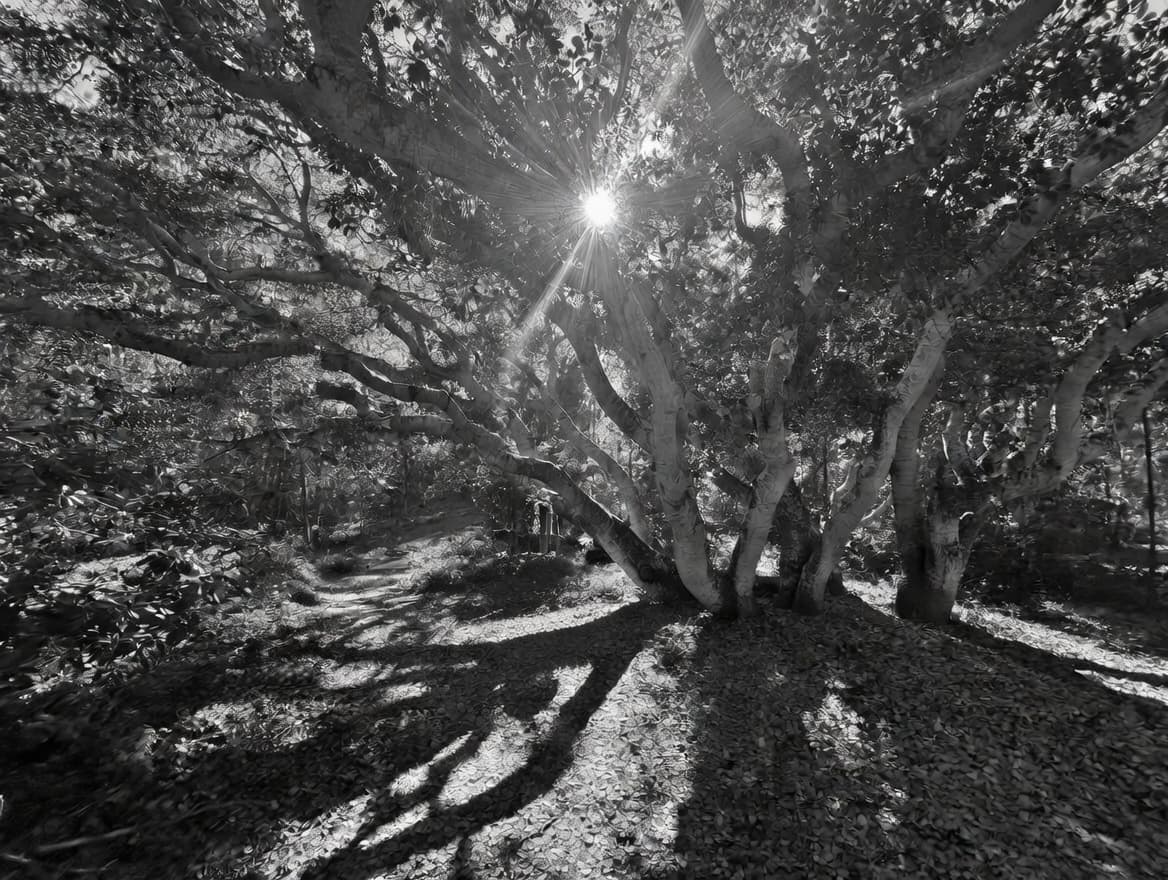
Consulting arborists also act as a liaison between wild forests and the urban canopy. They help people understand the ecological role of their trees: how they slow and soak up rainwater for the watershed, clean the air, cool our streets and store carbon, give wildlife food and shelter, and support our own health. These benefits are connected, and together they keep our shared environment in balance.
Call them when you want to preserve a tree and need recommendations on how, or you need an independent opinion, a report for a permit or project, or a second opinion before a tree is pruned or removed.
Public trees and utilities
Urban and municipal foresters
Cities employ urban foresters to manage street and park trees, plan new planting and protect the community's tree canopy. If a tree is in the parkway between the sidewalk and the street, it usually belongs to the city. Cities, counties and state agencies also hire consulting arborists to assess public trees, inventory parks and streets, and review how public projects will affect trees.
Call them when you have a question about a street tree or a tree in a public park.
Utility arborists
Utility companies employ arborists and crews to keep trees clear of power lines and reduce wildfire risk.
Call them when a tree is growing into power lines.
The specialists
Pest control advisers
In California, recommendations to use pesticides in landscapes come from licensed pest control advisers. Many work alongside tree care companies to treat insects and diseases.
Call them when a tree needs treatment for a pest or disease.
Nurseries, researchers and extension
Nurseries grow the trees we plant. University researchers, including UC Cooperative Extension advisors, study how trees grow, decline and fail, and share that knowledge with the rest of the industry.
Call them when you want to learn more about a species or a tree problem.
The community that cares for trees
Community members, tree advocates and wildlife advocates
Some of the most important people caring for trees are not paid to do it. Neighbors, volunteers, and tree and wildlife advocates plant trees and speak up for them. They understand the importance of stewarding nature, and the joy trees bring to our community and to the butterflies, birds and other wildlife that depend on them.
Call them when you want to get involved or speak up for the trees and wildlife you care about.
When a tree comes down
Urban wood millers and wood workers
When a tree has to be removed, its story does not have to end there. Sawyers and urban wood mills turn logs into lumber and slabs, and woodworkers make them into tables, benches and other pieces that can last for generations. Wood that cannot be milled can still become mulch, compost or firewood. Using removed trees this way keeps them out of the landfill and gives them a second life in our homes and neighborhoods.
Call them when a tree is being removed and you would like its wood to be put to good use.
Credentials to look for
- ISA Certified Arborist: the baseline credential for tree professionals, from the International Society of Arboriculture.
- ISA Tree Risk Assessment Qualified (TRAQ): training in assessing the risk a tree poses to people and property.
- Board Certified Master Arborist: ISA's most advanced certification.
- Registered Consulting Arborist (RCA): the consulting credential from the American Society of Consulting Arborists.
Working together
Not sure where to start? A consulting arborist can help you navigate any part of tree care and point you to the right person.
Wherever you are in the process, we all need to work together to care for our community's trees, both in our urban spaces and in the natural places around them, and to keep finding new ways to bring the two together.
Thea Lantos is a consulting arborist with Rosewood West in Ventura, California.